


-

Add: HeBei ShengShi HongBang Cellulose Technology CO.,LTD.
-

Email
13180486930@163.com -

CONTACT US
+86 13180486930
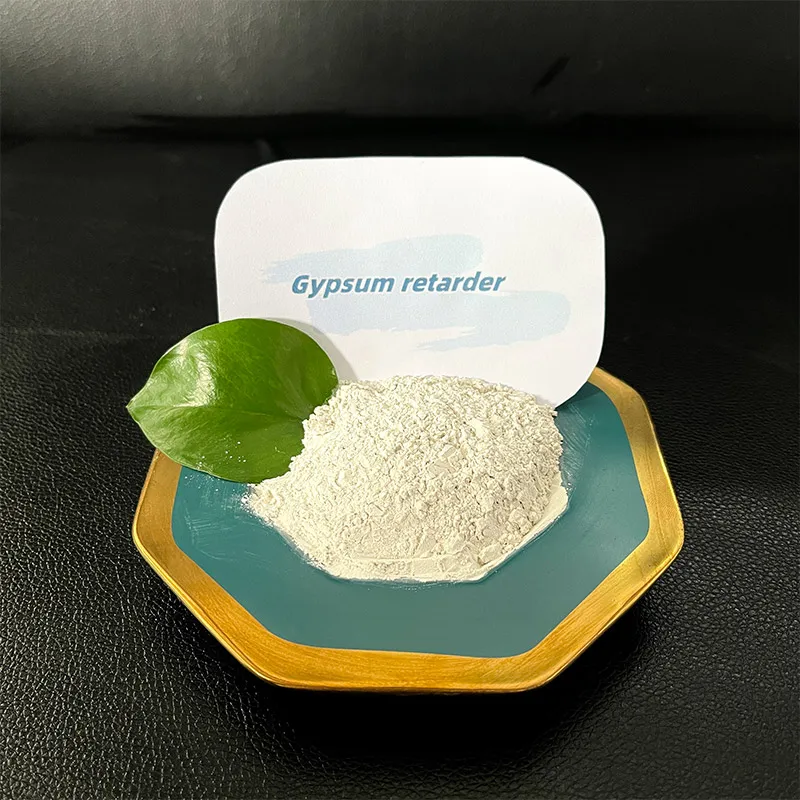
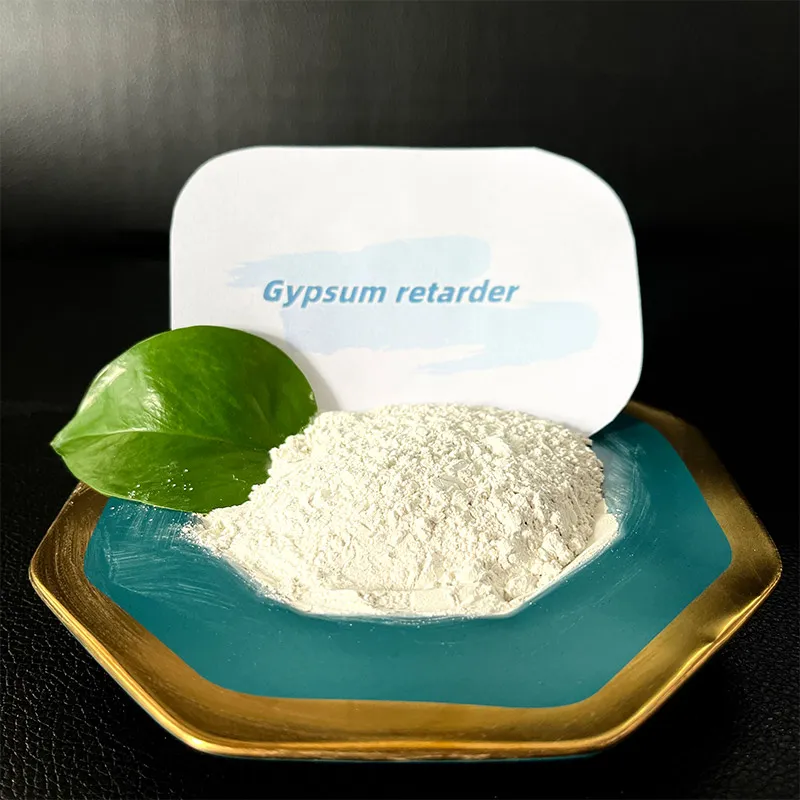
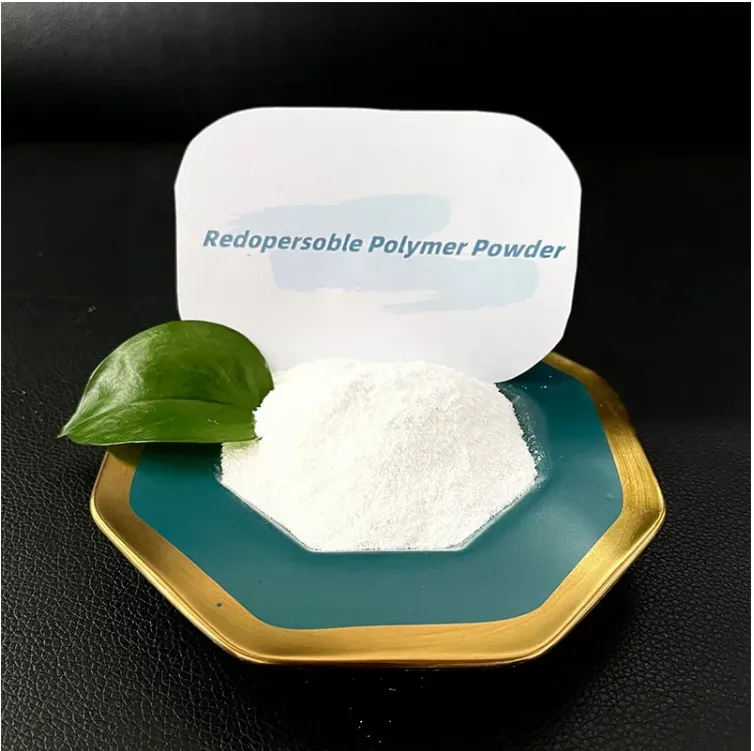
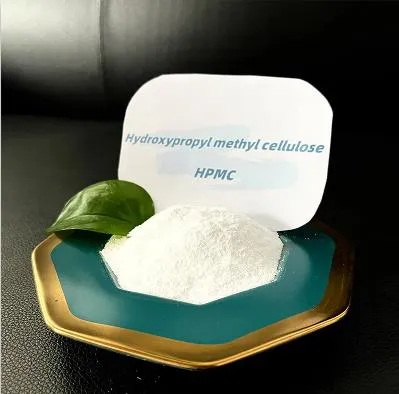
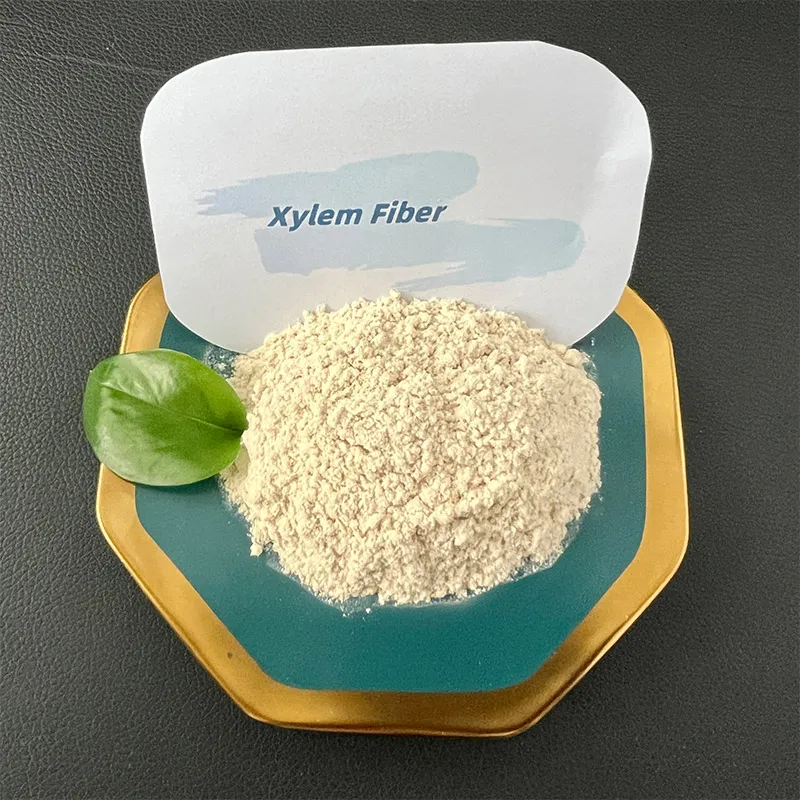



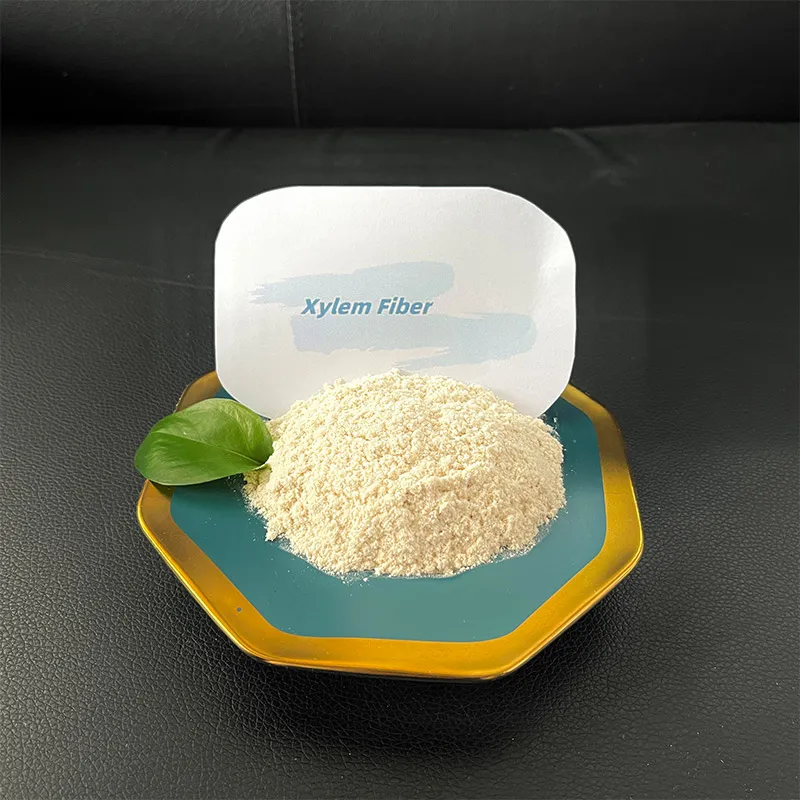
Xylem Fiber , a natural and renewable resource derived from wood, has emerged as a game-changer in the construction and manufacturing industries. This innovative material, processed through advanced chemical and mechanical treatments, offers a sustainable alternative to traditional raw materials while enhancing product performance. As global demand for eco-friendly solutions grows, HeBei ShengShi HongBang Cellulose Technology CO.,LTD has positioned itself as a leader in harnessing the potential of wood cellulose to create high-quality, versatile products. This article explores the features, advantages, technical specifications, and applications of Xylem Fiber , alongside the company's commitment to sustainability. Core Features of Xylem Fiber Xylem Fiber is derived from the cellulose extraction from wood , a process that transforms raw wood into a refined, fibrous material. This natural resource is characterized by its high tensile strength, absorbent properties, and biodegradability. Unlike synthetic alternatives, Xylem Fiber retains its structural integrity while being fully compatible with eco-friendly manufacturing processes. Its unique composition allows it to integrate seamlessly into various industrial applications, making it a preferred choice for manufacturers seeking sustainable solutions. One of the standout features of Xylem Fiber is its ability to improve the mechanical properties of construction materials. When incorporated into concrete and mortar , it enhances durability and reduces the need for conventional additives. Additionally, its absorbent nature makes it ideal for producing wood pulp sponges , offering a biodegradable alternative to synthetic cleaning products. The fiber's versatility extends to the asphalt industry, where it acts as a reinforcing agent, improving the resilience of road surfaces. Advantages of Xylem Fiber The adoption of Xylem Fiber presents numerous advantages for both manufacturers and end-users. From an environmental perspective, its use reduces reliance on non-renewable resources, aligning with global efforts to combat climate change. By replacing traditional materials like cellulose wood fibers in medium density fiberboard (MDF) production, Xylem Fiber contributes to lower carbon emissions and waste generation. From a performance standpoint, Xylem Fiber enhances the structural properties of construction materials. For instance, in gypsum products , it improves workability and structural integrity, ensuring longer-lasting results. Its ability to withstand mechanical stress also makes it a valuable component in asphalt formulations, where it extends the lifespan of roadways. These benefits make Xylem Fiber a cost-effective solution for industries aiming to balance quality and sustainability. HeBei ShengShi HongBang Cellulose Technology CO.,LTD emphasizes responsible forestry practices in the production of Xylem Fiber . By sourcing wood from sustainably managed forests, the company ensures that its operations support ecosystem balance and biodiversity. This commitment to ethical sourcing further strengthens the environmental credentials of Xylem Fiber . Technical Specifications Parameter Details Material Source Wood (sustainably sourced) Processing Method Chemical treatments and mechanical processing Key Properties High tensile strength, absorbency, biodegradability Applications Concrete, mortar, gypsum products, asphalt, MDF Environmental Impact Reduces reliance on non-renewable resources; low carbon footprint Application Scenarios Xylem Fiber is widely used across multiple industries, each leveraging its unique properties to meet specific needs. In the construction sector, it is a critical component in concrete and mortar mixes, where it enhances strength and durability. Its incorporation reduces the amount of cement required, lowering costs and environmental impact. Similarly, in gypsum products , Xylem Fiber improves workability and structural stability, making it a preferred choice for interior wall systems. In the asphalt industry, Xylem Fiber acts as a reinforcing agent, improving the flexibility and longevity of road surfaces. This application is particularly beneficial in regions with extreme weather conditions, where traditional asphalt may degrade more quickly. For medium density fiberboard (MDF) production, Xylem Fiber provides a sustainable alternative to conventional wood fibers, enabling the creation of durable, eco-friendly building materials. The fiber's absorbent properties also make it ideal for wood pulp sponges , which are used in household and industrial cleaning. These sponges are fully biodegradable, offering a greener alternative to synthetic sponges. As industries continue to prioritize sustainability, the applications of Xylem Fiber are expected to expand further. Company Background: HeBei ShengShi HongBang Cellulose Technology CO.,LTD HeBei ShengShi HongBang Cellulose Technology CO.,LTD is a leading manufacturer specializing in wood cellulose and cellulose extraction from wood . With a strong focus on innovation and sustainability, the company has established itself as a trusted provider of high-quality, eco-friendly materials. Their expertise in processing cellulose wood fibers ensures that Xylem Fiber meets the highest standards of performance and environmental responsibility. Based in Hebei, China, the company adheres to rigorous quality control measures to deliver products that meet global industry requirements. Their commitment to sustainable practices extends beyond production, as they actively promote responsible forestry and waste reduction initiatives. By integrating Xylem Fiber into their product portfolio, HeBei ShengShi HongBang supports the transition toward greener technologies and contributes to the fight against climate change. For more information about Xylem Fiber and HeBei ShengShi HongBang Cellulose Technology CO.,LTD , visit their product page or company website . Authoritative Citations and References The environmental and technical benefits of Xylem Fiber align with research conducted by the National Institute of Standards and Technology (NIST) , which emphasizes the importance of sustainable materials in reducing carbon footprints. According to NIST, "Renewable resources like cellulose-based fibers play a critical role in advancing green technologies and supporting long-term ecological balance" ( NIST, 2023 ). These findings underscore the significance of Xylem Fiber in the broader context of sustainable manufacturing. Additionally, the U.S. Department of Energy highlights the potential of wood-derived fibers in improving energy efficiency in construction materials ( U.S. Department of Energy, 2022 ). By incorporating Xylem Fiber into their products, manufacturers can contribute to a more sustainable future while meeting evolving industry standards. Conclusion Xylem Fiber represents a transformative solution for industries seeking to balance performance with sustainability. Its natural origin, versatility, and environmental benefits make it an ideal choice for construction, manufacturing, and consumer goods sectors. Through the innovative efforts of HeBei ShengShi HongBang Cellulose Technology CO.,LTD , Xylem Fiber continues to redefine the possibilities of renewable resources in modern applications. As the demand for eco-friendly materials grows, Xylem Fiber is poised to play a pivotal role in shaping a more sustainable future. By leveraging the power of wood cellulose and cellulose extraction from wood , industries can reduce their environmental impact while delivering high-quality, durable products. For more information, explore Xylem Fiber and HeBei ShengShi HongBang Cellulose Technology CO.,LTD .
- 40000tons

Production
- 20+years

Experience
- 5000+㎡

Acreage

-
L’idrossipropilmetilcellulosa (HPMC), con il suo grado specifico E5, ha attirato l'attenzione di molti settori, grazie alle sue proprietà uniche, in particolare in ambito farmaceutico e alimentare. La solubilità dell'HPMC E5 in acqua è un tema essenziale per esperti e produttori che cercano di sfruttare appieno il suo potenziale. L'HPMC E5 è noto per la sua eccellente capacità di formare gel e per la sua solubilità variabile che dipende dalla temperatura dell'acqua . A temperature ambiente, l'HPMC E5 si scioglie facilmente, creando una soluzione viscosa. L'aumento della temperatura può influenzare notevolmente la sua solubilità, dato che l'HPMC tende a precipitare se esposto a temperature troppo alte. Questo comportamento unico è sfruttato nei processi industriali per controllare la consistenza e la stabilità delle formulazioni. Gli esperti nel campo dei polimeri riconoscono l'importanza di comprendere le caratteristiche termiche dell'HPMC. Test sperimentali e studi empirici hanno contribuito a delineare un quadro dettagliato della sua solubilità. È stato osservato che, in generale, a temperature inferiori ai 40°C, l'HPMC E5 si dissolve efficientemente, rendendolo ideale per applicazioni che richiedono soluzioni chiare e stabili. Questo suo comportamento è particolarmente apprezzato nell'industria farmaceutica per la produzione di capsule e compresse, dove è fondamentale garantire una dissoluzione coerente e controllata dei principi attivi. La preparazione corretta della soluzione di HPMC E5 è di cruciale importanza per garantire la qualità del prodotto finale. Gli esperti consigliano di aggiungere l'HPMC all'acqua sotto agitazione continua per prevenire la formazione di grumi, seguita da un graduale aumento della temperatura per accelerare la dissoluzione senza superare il punto di intorbidimento. Questa tecnica non solo ottimizza la solubilità, ma mantiene anche l'integrità della soluzione, assicurando così stabilità durante l'intero ciclo di produzione. Nonostante la sua solubilità in acqua, l'HPMC E5 si distingue per la sua stabilità chimica e il suo comportamento inerte, che garantiscono la sicurezza del prodotto in diverse condizioni ambientali e pH. Questo è particolarmente vantaggioso nel settore alimentare per migliorare la consistenza e conservare i nutrienti senza influire sul sapore o sull'aroma. hpmc e5 solubilità in acqua Inoltre, è importante notare che la solubilità dell'HPMC E5 non è influenzata solo dalla temperatura, ma anche dalla qualità dell'acqua. Minerali disciolti e impurità possono alterare la formazione del gel, per cui si raccomanda l'uso di acqua demineralizzata o distillata per ottenere i risultati migliori. Grazie alla sua versatilità e affidabilità, l'HPMC E5 si è affermato come un componente essenziale nei processi di produzione dove la solubilità è una preoccupazione primaria. Le proprietà intrinseche del polimero, combinate con una comprensione approfondita delle condizioni operative ideali, permettono di sviluppare prodotti innovativi e sostenibili che soddisfano gli standard di qualità richiesti dall’industria moderna. Ogni applicazione può richiedere un approccio leggermente diverso per sfruttare necessariamente la solubilità dell'HPMC E5. Fare uso di macchinari avanzati e adottare procedure di controllo qualità migliorano ulteriormente la precisione e l'efficacia dell'uso di questo polimero. Tali pratiche rafforzano non solo la fiducia dei consumatori nei prodotti finiti, ma elevano anche l'intero settore attraverso il rispetto del massimo rigore scientifico e tecnico. In conclusione, la comprensione accurata della solubilità dell'HPMC E5 non è solo un vantaggio tecnologico, ma una necessità per le industrie che cercano di dominare mercati competitivi attraverso l'innovazione e la qualità garantita.
-

Hypromellose, auch bekannt als HPMC, ist ein vielseitiger Zusatzstoff, der häufig in der Pharma-, Lebensmittel- und Bauindustrie verwendet wird. Insbesondere HPMC mit einer Viskosität von 6 cps (Centipoise) hat spezifische Eigenschaften , die seine Verwendung in verschiedenen Produkten begünstigen. In der pharmazeutischen Industrie wird HPMC 6 cps oft als Vernetzungsmittel in Tabletten und Kapseln eingesetzt. Die spezielle Viskosität sorgt dafür, dass die Tabletten eine stabile Form beibehalten und die Freisetzung des Wirkstoffs kontrolliert erfolgt. Dies ist besonders wichtig, um eine konstante Bioverfügbarkeit der Medikamente zu gewährleisten, was letztendlich die therapeutische Wirksamkeit steigert. Als Expertin auf diesem Gebiet kann ich bestätigen, dass die sichere Anwendung von HPMC in Medikamenten sicherstellt, dass kein unerwünschter Einfluss auf den menschlichen Körper besteht, was auf umfangreiche Testverfahren zurückzuführen ist, die die Verträglichkeit und Unbedenklichkeit bestätigen. Im Lebensmittelsektor fungiert HPMC 6 cps als exzellenter Verdicker und Emulgator. Ideal für die Herstellung von fettarmen Saucen, Dressings und Desserts, trägt es zur Verbesserung der Textur und Stabilität bei, ohne den Geschmack zu beeinträchtigen. Basierend auf meiner Erfahrung in der Lebensmitteltechnologie kann HPMC verwendet werden, um die strukturelle Integrität von Lebensmitteln in verarbeiteten Produkten aufrechtzuerhalten. Es erhöht die Konsistenz von Produkten, was gleichzeitig die Verbrauchererfahrung fördert. Zudem ist es frei von tierischen Produkten und eignet sich somit hervorragend für vegetarische und vegane Lebensmittel. HPMC 6 cps Darüber hinaus ist HPMC 6 cps ein wertvoller Bestandteil in der Bauindustrie. Hier wird es als Bindemittel in Fliesenklebern und Mörteln verwendet. Die spezielle Viskosität von 6 cps sorgt dafür, dass die Mischung ausreichend fließfähig und dennoch stabil genug ist, um eine lange Bearbeitungszeit zu gewährleisten. Dies erleichtert den Bauarbeitern die Anwendung und verbessert die Haftung an verschiedenen Oberflächen. Durch die Anwendung von HPMC wird auch die Rissbildung in Trocknungsphasen reduziert, ein Bedürfnis, das jeder erfahrene Baufachmann bestätigen kann. Ein weiterer bedeutender Nutzen von HPMC 6 cps liegt in seiner Beständigkeit gegenüber verschiedenen pH-Bereichen und Temperaturen, was seine Verwendbarkeit in verschiedenen klimatischen Bedingungen unterstreicht. Diese Eigenschaft hebt seine Verlässlichkeit hervor und schafft Vertrauen in seine multiplen Anwendungen. Zusammenfassend lässt sich sagen, dass HPMC 6 cps aufgrund seiner Vielseitigkeit in verschiedenen Industriezweigen an Popularität gewonnen hat. Seine Fähigkeit, als Bindemittel, Verdicker und stabilisierender Stoff in unterschiedlichen Prozessen zu fungieren, macht ihn zu einer unverzichtbaren Ressource. Die Qualität und Reinheit von HPMC, die durch strenge Standards gesichert werden, verstärken sein Ansehen unter Experten und stellen seine Beständigkeit als zuverlässiger industrieller Zusatzstoff sicher. Die fortwährende Forschung in Bezug auf HPMC 6 cps könnte seine Anwendungen in zukunftsweisenden Technologien erweitern, was es zu einem spannenden Thema für Innovationsforscher macht. Vertrauen Sie auf die Expertise und Erfahrung mit HPMC, einem äußerst anpassungsfähigen und sicheren Inhaltsstoff, der in den nächsten Jahren wohl noch an Bedeutung gewinnen wird.
advantages
-

200000 Viscosities
Excellent product
We can produce pure products up to 200,000 viscosities
-

40000 tons
High yield
We don’t stop production all year round, and the annual output can reach 40,000 tons
-

24 hours
Quality service
We provide 24-hours online reception service, welcome to consult at any time
———— Inquiry Form
Schedule A services


-
 hpmc_thickening_agent
Oct . 25, 2025
In today’s fast-paced manufacturing and construction industries, the demand for sustainable and cost -
 malakas_na_sintetikong_hibla
Oct . 25, 2025
When it comes to managing dry eye diseases, particularly Meibomian Gland Dysfunction (MGD), two type -
 hpmc_2208
Oct . 25, 2025
When we think of modified starch , it’s often associated with food and textiles, but its application


